BBC responds to Murkomen’s allegations over Mai Mahiu documentary
The BBC described the documentary as an important piece of public interest journalism documenting the exploitation of children in Kenya’s sex industry. The investigative film, released on August 4, 2025, featured testimonies from survivors of childhood sexual abuse in Maai Mahiu.
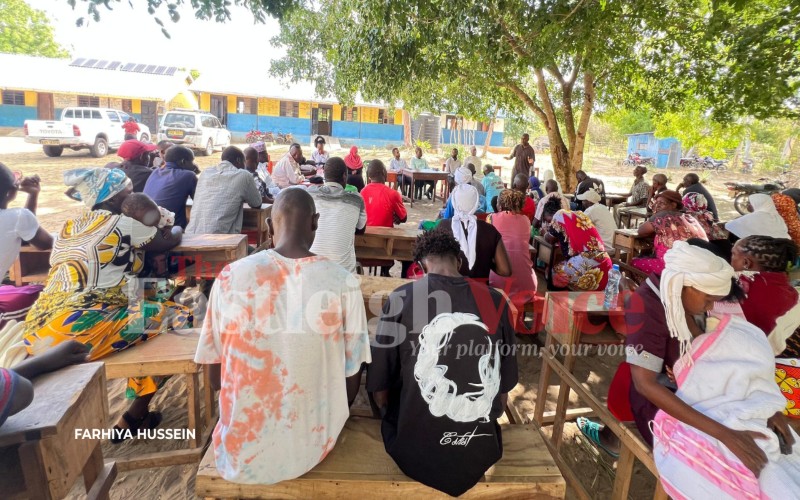
The British Broadcasting Corporation (BBC) has clarified that its Africa Eye investigation, Madams: Exposing Kenya’s Child Sex Trade, featured adult survivors recounting abuse they suffered as children and that none of the participants were paid or coached.
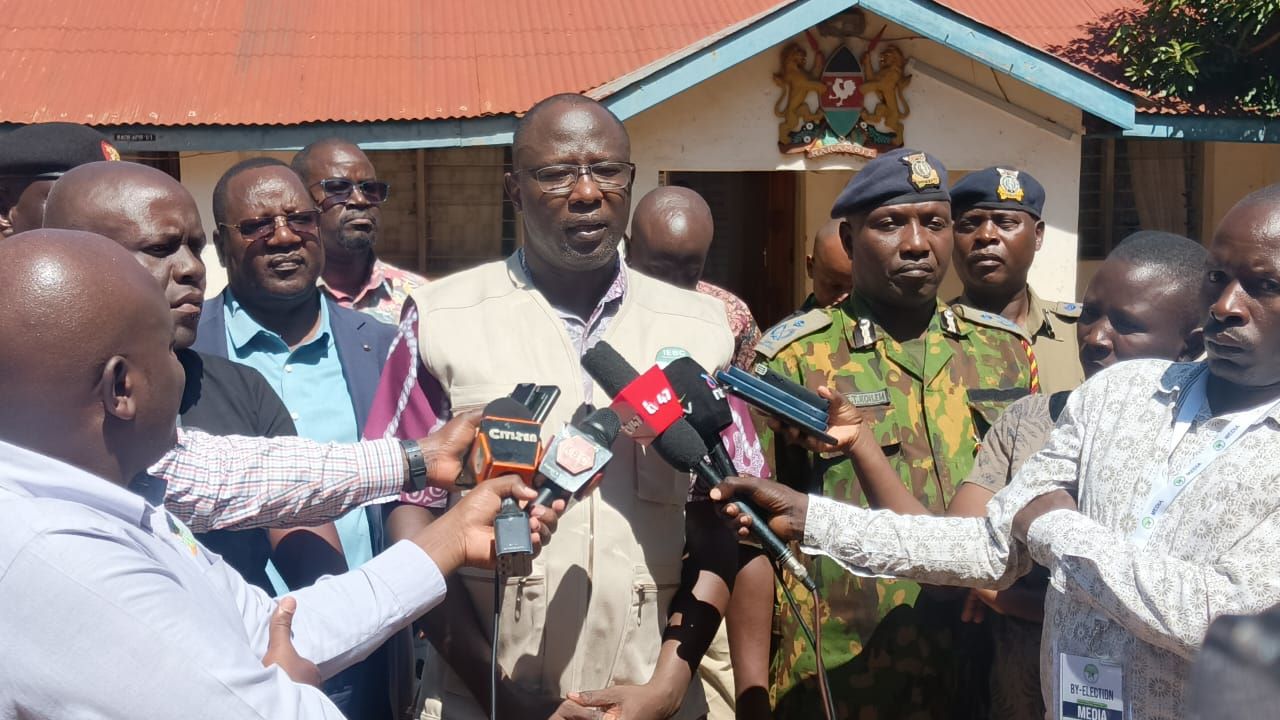
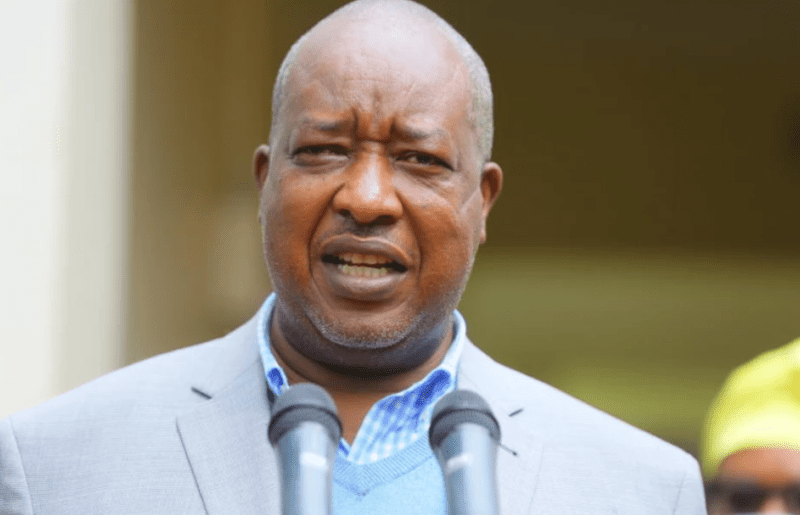
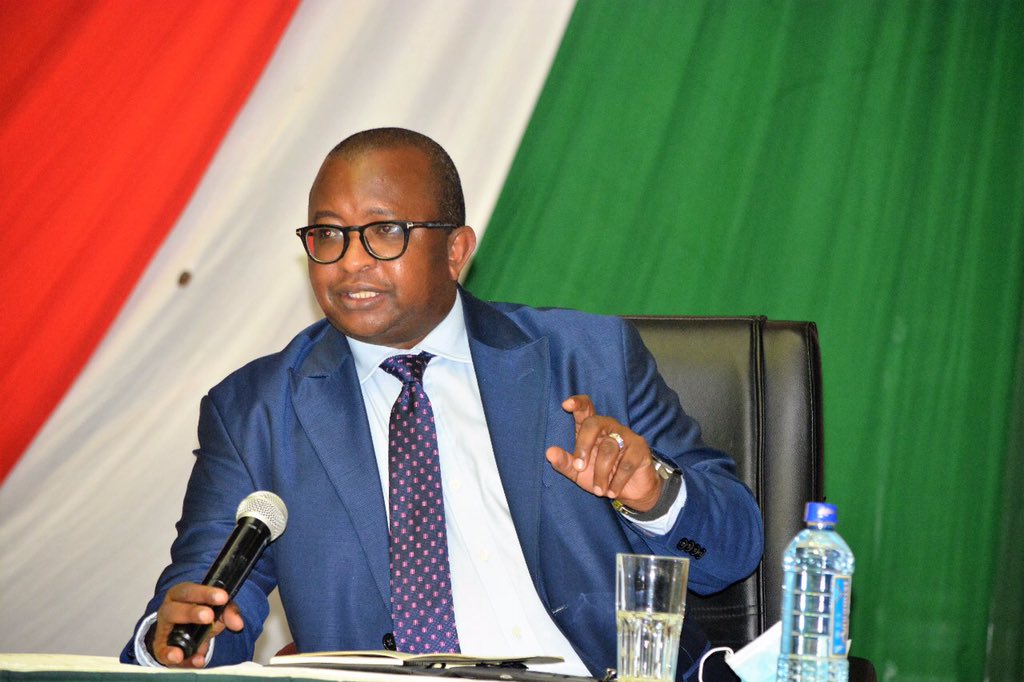
This follows claims by Interior Cabinet Secretary Kipchumba Murkomen, who condemned the exposé on a child sex trafficking ring in Maai Mahiu, describing the documentary as a “hoax”. Murkomen alleged that the girls featured were not underage and that they were paid to participate.
More To Read
- Sexual violence driving mass flight from Sudan to South Sudan: What you need to know
- 16 days of activism: Strengthening protection against gender-based violence
- Violence against women and children is deeply connected. Three ways to break the patterns
- Murkomen warns perpetrators of by-election violence will face action
- Murkomen warns politicians against deploying supporters to by-election tallying centres
- Murkomen defends recall of Natembeya's security detail ahead of Thursday's by-elections
In a statement, the BBC described the documentary as an important piece of public interest journalism documenting the exploitation of children in Kenya’s sex industry. The investigative film, released on August 4, 2025, featured testimonies from survivors of sexual abuse in Maai Mahiu.
The BBC emphasised that the investigation was a piece of public interest journalism and that the evidence gathered had been handed to the Kenyan police in March 2025, identifying both perpetrators and victims in need of urgent assistance.
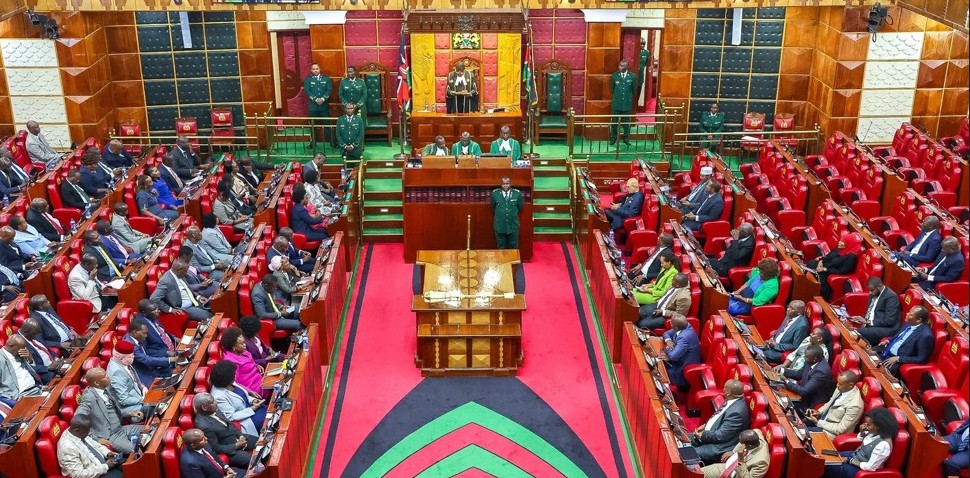
“We note with concern that following the broadcast of the film, survivors of childhood sexual abuse who contributed to the film were interviewed at length by investigators from the Kenya Directorate of Criminal Investigations without the presence of legal representation. There has also been a debate on the investigation in the Kenyan parliament," the BBC said.
“For clarity, none of the contributors featured in this film were paid, offered payment or ‘coached’ in any way. As clearly stated in the film, the survivors of abuse who were interviewed were all over 18 and recounted experiences of abuse that occurred when they were underage. We are thankful to the survivors for their brave contributions."
Murkomen had argued that some girls allegedly falsified their ages to qualify for “promised sponsorship” by the BBC and noted that no arrests have yet been made, with investigations ongoing to trace witnesses and review financial and call records.
He warned that police action could be taken against the journalists behind the documentary, asserting that the film failed to achieve its intended purpose due to falsified information from some interviewees.
“Our Investigations have established that the BBC team primarily sought underage girls involved in sex work. However, some of the girls falsified their age to qualify for the promised sponsorship by the BBC team. No arrests have been made so far, but investigations are ongoing, including financial records and call data to link these parties and tracing witnesses," Murkomen stated.
Top Stories Today